Free Project Quotes 216-485-2656 | No In-Home Visit Required

Free Project Quotes 216-485-2656 | No In-Home Visit Required
🟢 TL;DR: Drafts, high energy bills, and sticky windows aren’t just annoying — they’re signs your windows may be failing.
From visible rot to hard-to-open sashes, this guide breaks down 10 common symptoms (and what they mean). We’ll also walk you through your next steps, whether you’re ready for replacement now or just gathering info.
Not sure if you need new windows. You are not alone. Many homeowners in Cleveland and Northeast Ohio wait until a window is visibly broken. By then, the damage often runs deeper.
Most window failures show up gradually. Drafts. Rising energy bills. Foggy glass. Sticky frames. The windows still look fine, but they no longer perform.
This guide breaks down ten common warning signs. Each one explains what you might notice, why it matters, and what to do next. The goal is simple. Help you decide whether replacement makes sense now, or whether you are still in research mode.
Once replacement is on the table, the next step is deciding how to tackle the project. Some homeowners replace everything at once, while others break the work into phases.

Your windows were installed two decades ago or more. They may still open and close. They may still look acceptable.
Why this matters.
Older windows lack modern insulation, glass coatings, and tighter sealing methods. Even well-maintained units lose efficiency over time. Heat loss and air leakage increase slowly, which makes the problem easy to miss.
What to do next.
If you know your windows are over 20 years old, treat that as a baseline risk factor. Combine age with other signs on this list to judge whether replacement planning makes sense.
You feel a breeze near closed windows. You hear wind whistling through the frame during storms or cold weather.
Why this matters.
Air leakage wastes energy and reduces comfort. Your heating and cooling system works harder to compensate. Drafts often indicate failed seals, worn weatherstripping, or frame movement.
What to do next.
Check for airflow on windy days. Stand near the window and feel for cold air. Persistent drafts usually signal performance failure rather than a minor adjustment issue.
Your heating or cooling bills increase. Your usage habits stay about the same. Weather patterns do not fully explain the jump.
Why this matters.
Leaky or outdated windows allow conditioned air to escape. HVAC systems run longer and cycle more often. According to ENERGY STAR window replacement guidelines, outdated windows can significantly increase heating and cooling costs.
What to do next.
Compare utility bills from the same season across multiple years. If costs rise without a clear explanation, underperforming windows are a common contributor.
Your windows stick. They do not stay open. Locks fail. Some will not open at all.
Why this matters.
Operational problems point to frame warping, balance failure, or long-term moisture exposure. Inoperable windows create safety concerns and limit ventilation. They also signal deeper structural wear.
What to do next.
Test every window in the home. Note which ones stick, drop, or refuse to lock. If several windows behave this way, replacement usually makes more sense than piecemeal repairs.
You notice cracked panes. Wood frames feel soft. Paint peels. Dark staining or mold appears near the sill or frame.
Why this matters.
Visible damage means the window is no longer protecting the home. Moisture intrusion spreads beyond the window and can affect framing, drywall, and insulation.
What to do next.
Inspect lower corners and sills closely. Probe wood for softness. Isolated damage might be repairable. Widespread rot or mold usually points toward full replacement.
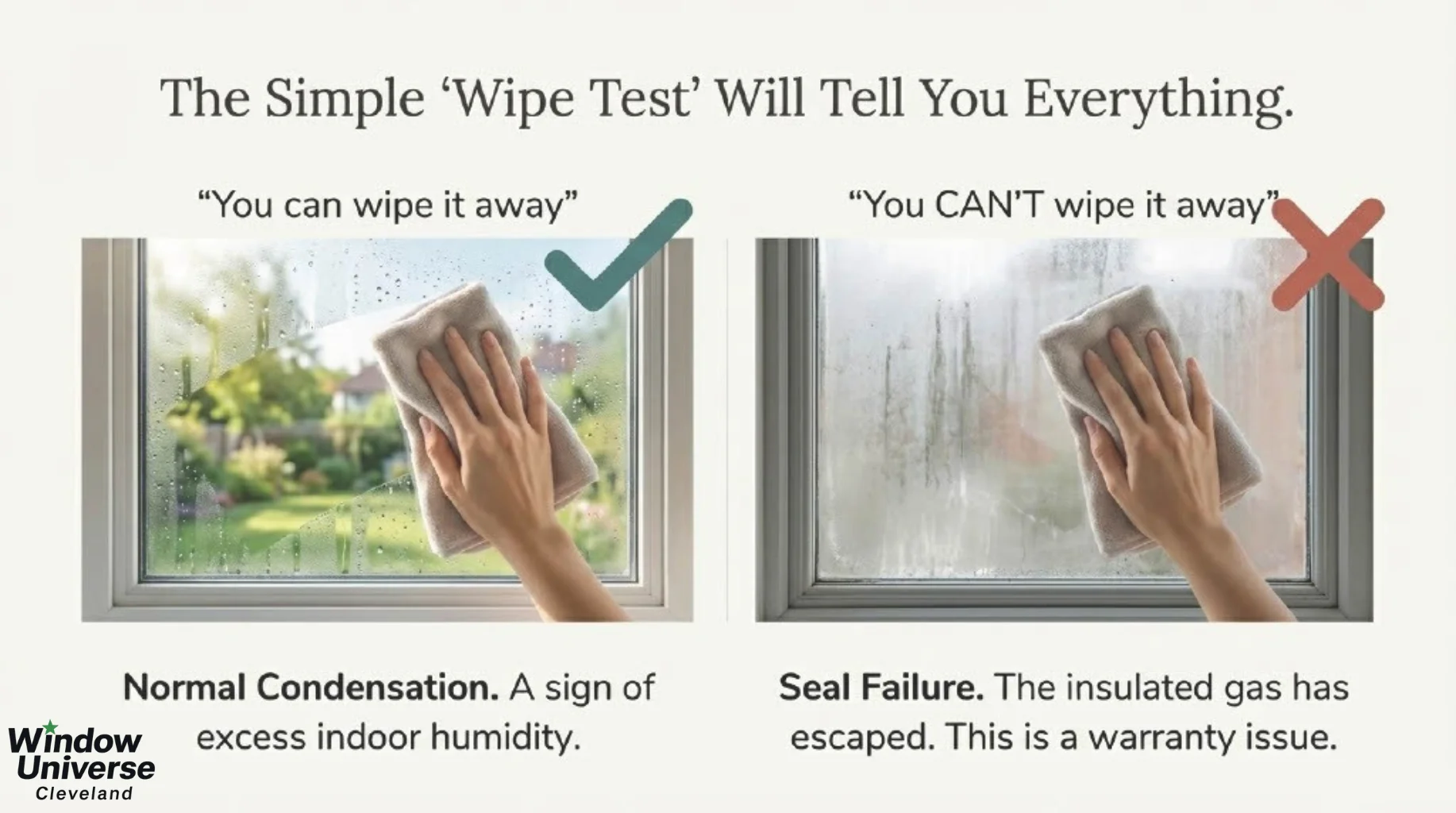
The glass looks hazy or milky. Moisture appears between panes and does not wipe away.
Why this matters.
This indicates a failed seal. Insulating gas escaped and moisture entered the unit. Energy performance drops and visibility suffers.
What to do next.
Confirm the fogging sits between panes, not on the surface. Once a seal fails, glass replacement or full window replacement becomes the practical solution. Modern replacement windows, including triple-pane options, are designed to perform better in cold and fluctuating climates.
Street traffic sounds louder. Neighbors feel closer. Outdoor noise cuts through even when windows are shut.
Why this matters.
Older windows and failed seals offer little sound control. Single-pane glass and early double-pane units struggle with modern noise levels and tighter living patterns.
What to do next.
Pay attention during peak noise times. Stand near the glass and listen. If noise passes through easily, modern insulated glass packages usually deliver a noticeable improvement.
You see water on the sill. Stains appear on drywall near the window. Paint bubbles or peels around the frame.
Why this matters.
Water intrusion leads to rot, mold, and hidden structural damage. Window leaks often worsen quickly once they start.
What to do next.
Look for discoloration below the window and at interior corners. Active leaks or recurring stains usually signal failure beyond caulking or trim fixes.
Indoor air feels dusty. Allergies flare up inside the house. Symptoms improve when you leave.
Why this matters.
Worn seals and gaps allow pollen, dust, and outdoor irritants to enter. Old windows do little to control air infiltration.
What to do next.
Notice whether symptoms worsen near certain rooms or windows. Newer windows with tighter seals help maintain cleaner indoor air.
You are planning renovations. You are thinking about resale. Curb appeal matters more than before.
Why this matters.
New windows improve appearance, comfort, and perceived value. Replacement often delivers strong return when paired with other updates or pre-sale improvements.
What to do next.
If remodeling is already planned, window replacement fits naturally into the timeline. Buyers notice windows quickly and factor condition into offers.
Ignoring early warning signs often leads to bigger problems. Window failure rarely stays isolated.

Many homeowners wait for visible damage before acting. By then, comfort, efficiency, and structural integrity have already suffered. Catching problems early helps avoid larger repairs and unexpected costs.
If you’re now asking what the best replacement window 🪟 is, here’s what actually matters.
We created a simple printable version of this list so you can walk through your home and check off the signs that apply.
📎Download the Printable Window Checklist (PDF)
👉 If you check 3 or more boxes, it may be time to talk to a window expert.
If you have noticed any of the signs above, or if you are unsure what your windows need, a professional evaluation brings clarity.
A proper assessment looks at age, condition, operation, and installation quality. It removes guesswork and helps you plan confidently.
At Window Universe Cleveland, we provide free, honest assessments and no-pressure quotes. The goal is guidance, not sales tactics.
✅ Friendly, helpful team
✅ No high-pressure sales
✅ Local knowledge of Cleveland homes and climate
📞 Schedule your free quote or call us at (216) 485-2656.
Sometimes — especially if it’s just hardware or minor sealing. But if there’s rot, broken glass, or fogging, replacement is usually the smarter long-term choice.
That’s usually a failed seal — meaning the insulating gas has escaped. It won’t cause structural damage, but it means the window is no longer energy efficient and should be replaced.
Often, yes. If you feel cold air near your windows or see your curtains moving, the seals are likely worn out — and you’re paying more on heating bills.
Not necessarily. Many homeowners do them in phases — starting with the worst rooms or the ones affecting comfort the most
Most vinyl windows last 20–30 years. If yours are older and showing signs of wear, it’s time to assess their performance.