Free Project Quotes 216-485-2656 | No In-Home Visit Required

Free Project Quotes 216-485-2656 | No In-Home Visit Required

Winter exposes the need for front door replacement with problems faster than almost any other season. In Northeast Ohio, sharp temperature drops, strong winds, and frequent freeze-thaw cycles put constant stress on entry doors. Homes built decades ago, especially in Cleveland area neighborhoods with older construction, tend to feel these issues first.
Many homeowners assume a cold entryway is normal in winter. Some temperature variation is expected. Persistent drafts, sticking doors, and moisture issues are not. When those problems show up year after year, the front door is often no longer sealing or insulating as intended.
If your entryway feels colder than the rest of the house, front door replacement is often the most effective long term fix.
Winter makes door problems obvious. Cold air pushes inward, warm indoor air escapes upward, and pressure differences force air through weak spots. Wind accelerates the effect, especially during Northeast Ohio winters.
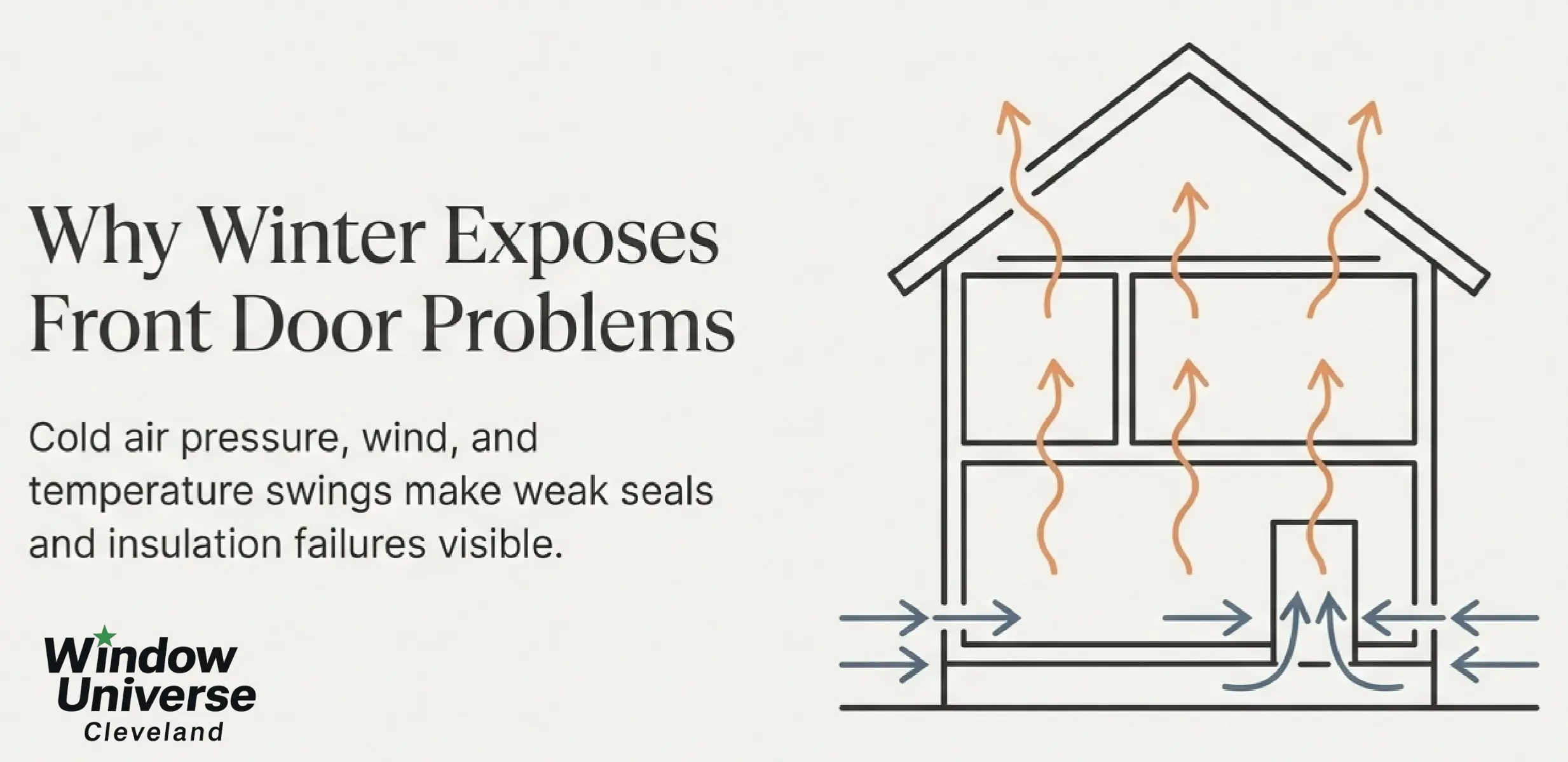
Many homes in Cleveland, Lakewood, Cleveland Heights, and nearby suburbs still rely on older door systems built before modern sealing standards. As materials age and homes settle, winter exposes those weak points first at the entry.
Below are five clear signs winter conditions reveal when a front door is no longer performing as it should.
You feel moving cold air near the front door, especially on windy days or when the heating system runs. The air feels like it is actively coming from the door area, not just lingering in the space.
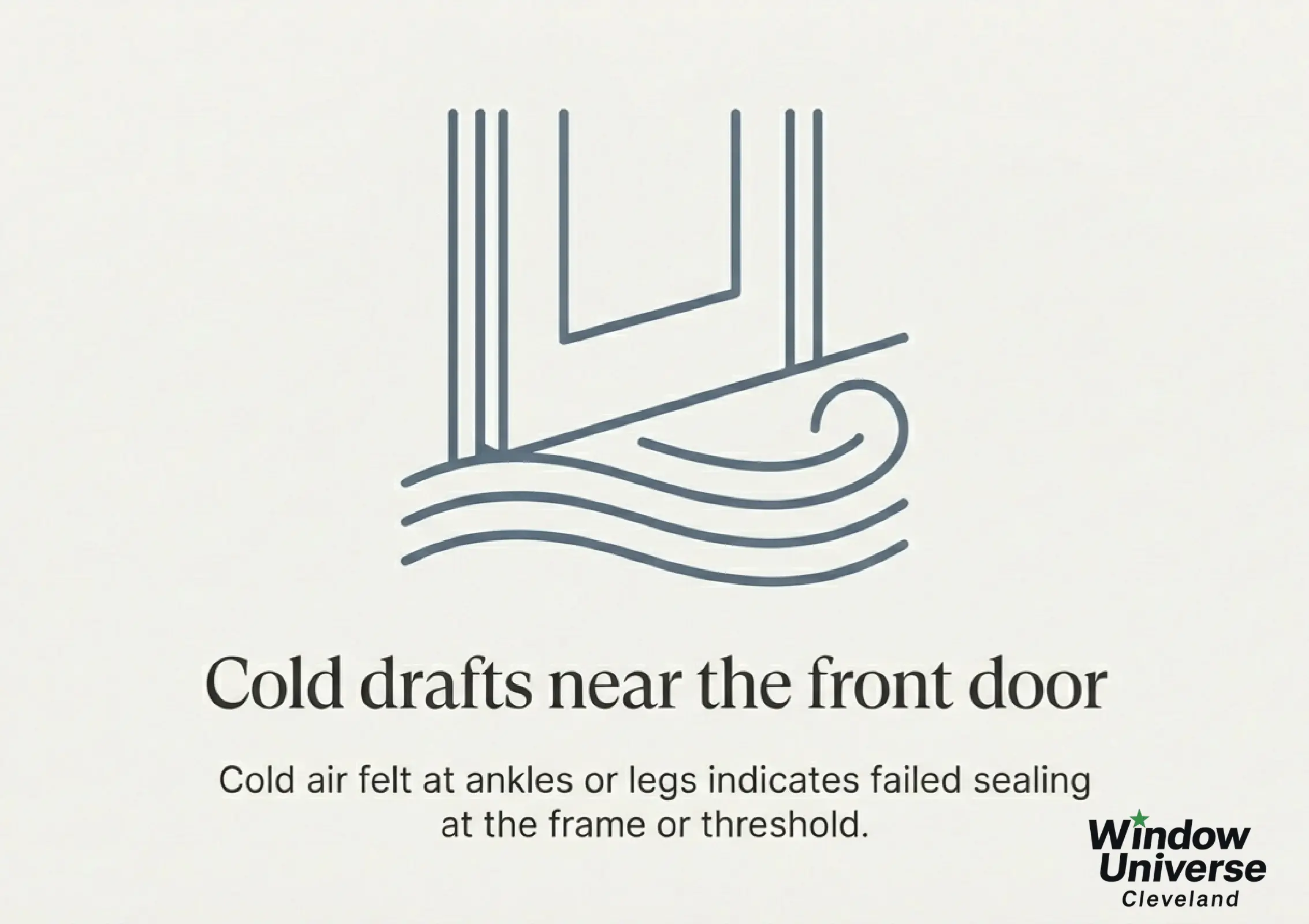 This points to air leakage through gaps in the door system. When sealing fails, pressure differences push outdoor air inside, creating noticeable drafts.
Cold drafts near the entry are one of the most common reasons homeowners start researching front door replacement.
You notice daylight around the edges of the door or can see light near the threshold or frame. The gaps may be small, but they are noticeable in bright daylight.
Any visible gap is a direct path for cold air and heat loss. This usually indicates door movement, worn components, or installation issues that sealing alone will not fix.
The door opens and closes normally in warmer months, then becomes difficult once winter sets in. You may need to force it shut or fight the lock to get it to latch.
Seasonal movement in the door or frame prevents proper compression against the seals. When the door no longer closes tightly, air leakage increases and security becomes less reliable.
Doors that stick or fail to latch during winter often point to seasonal movement and sealing problems rather than simple hardware issues. These are the same winter-related door problems we see most often in Cleveland homes, especially once temperatures drop and materials contract.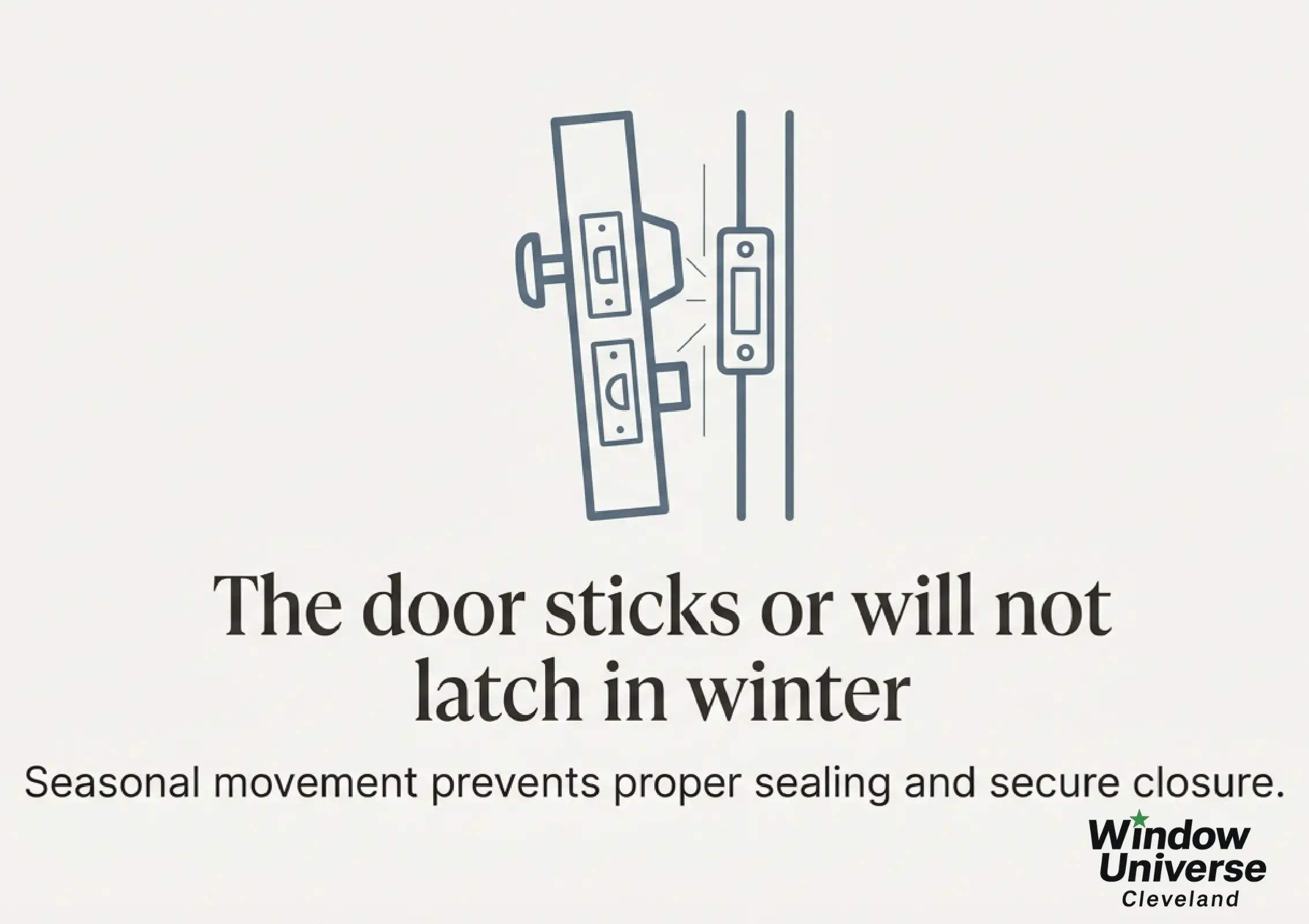
Moisture, fog, or frost appearing on the inside of your front door is not a surface problem. It is a performance problem. When interior door surfaces stay cold enough for moisture to collect, heat is escaping and cold air is getting in.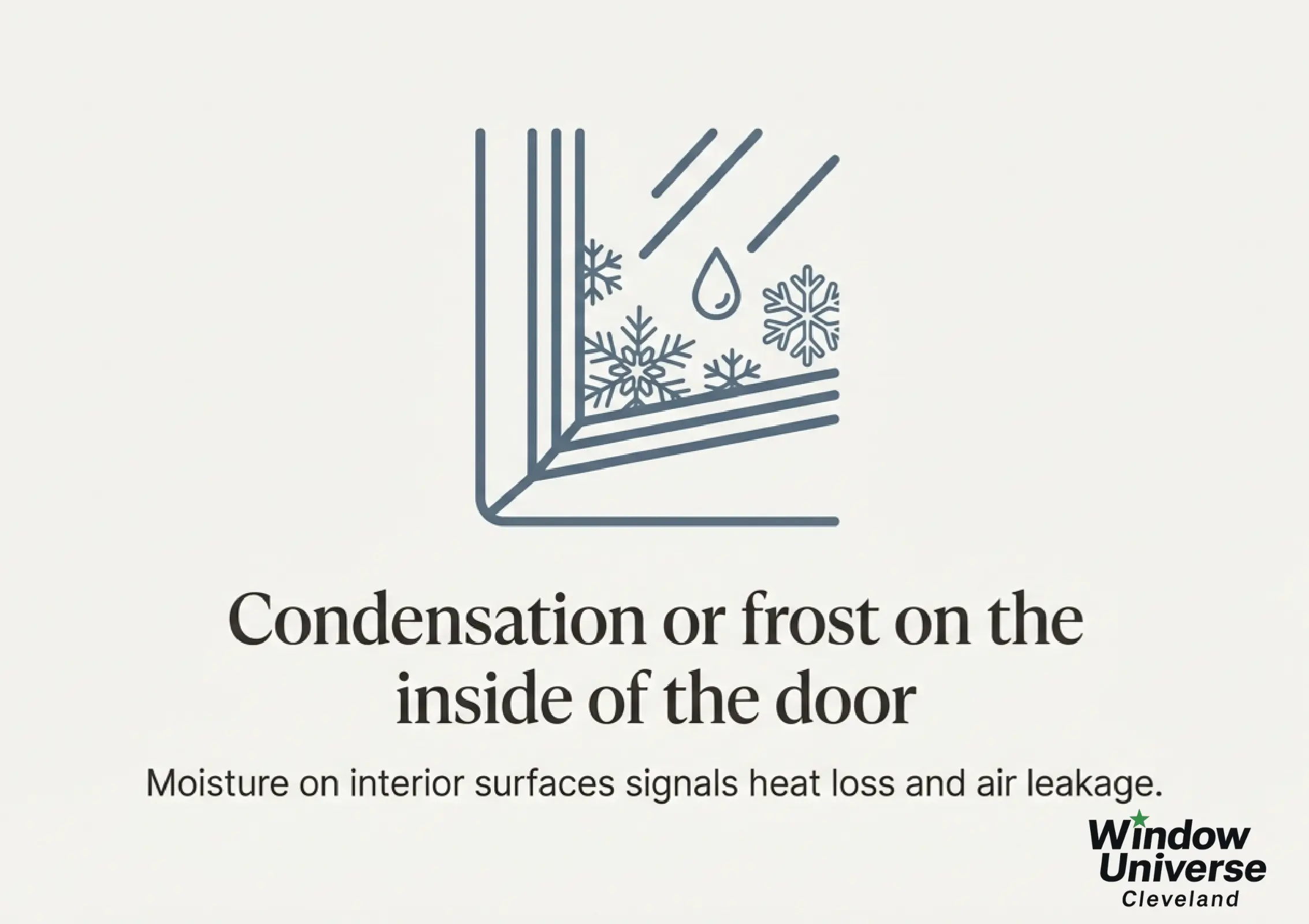
This usually points to poor insulation within the door, air leakage around the frame, or both. Over time, recurring condensation can damage finishes, hardware, and surrounding trim. It is also a common sign that the door system is no longer performing as intended.
Guidance from the U.S. Department of Energy explains how air leakage and poorly insulated surfaces contribute to condensation problems during winter.
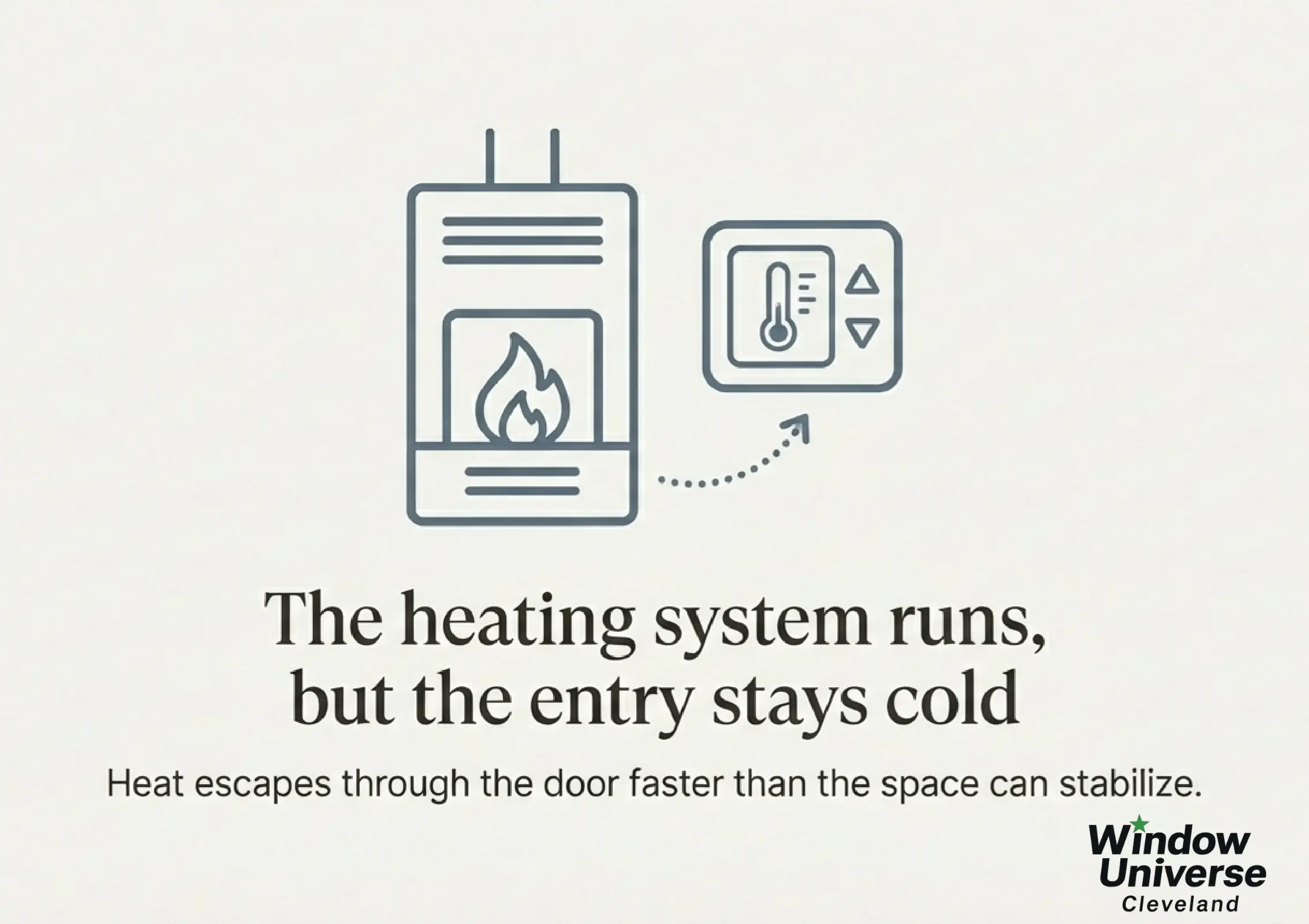
The thermostat reads normal, yet the foyer never feels comfortable. The heating system runs longer, but the area near the front door stays cold.
A poorly performing front door allows constant heat loss. Warm air escapes as quickly as it enters, so the space never stabilizes.
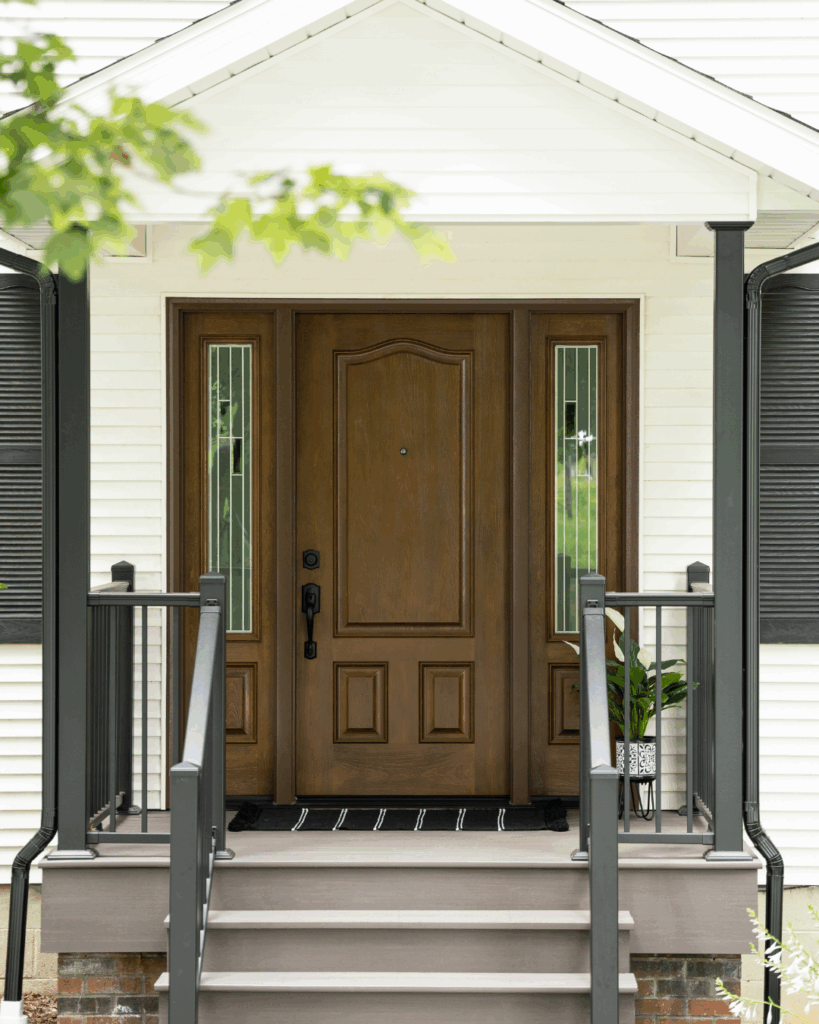
Modern designs used in energy-efficient replacement doors help limit heat loss at the entry and support consistent indoor temperatures during winter.
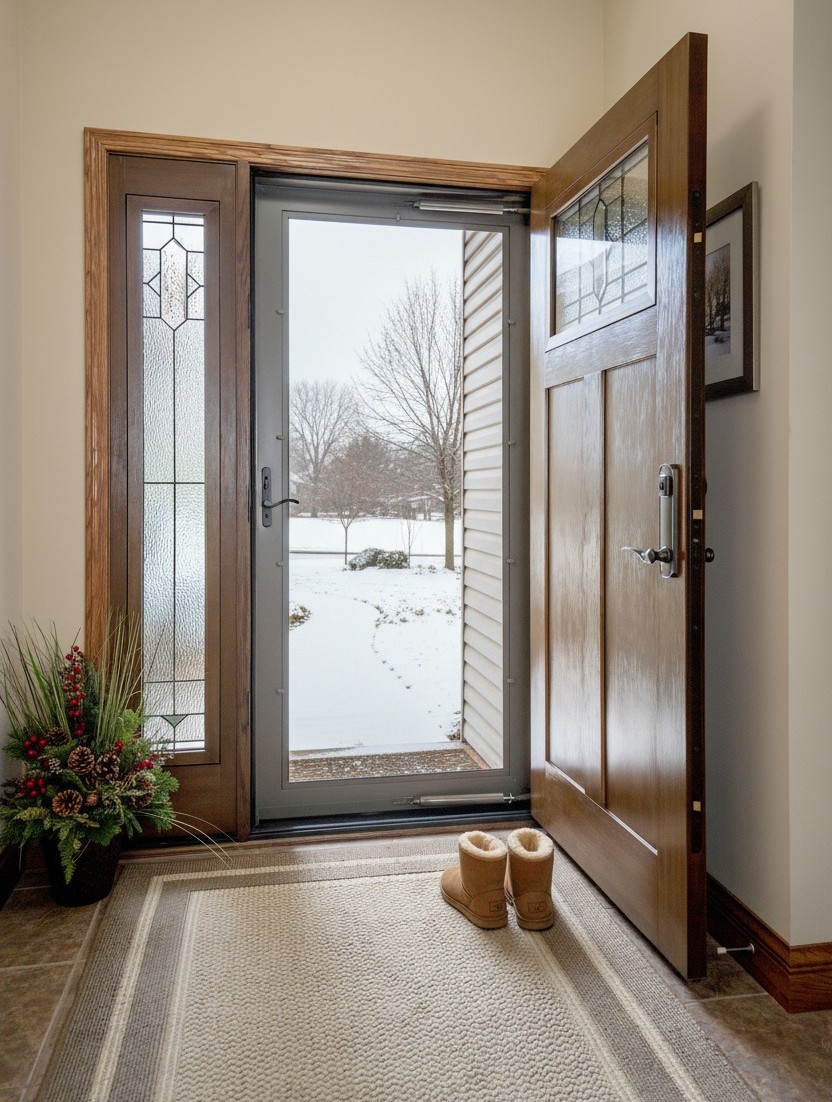
Weatherstripping, sweeps, and minor adjustments can reduce drafts short term. When the same problems return every winter, the issue is usually deeper than surface wear.
Modern replacement doors are built to maintain tight seals, resist warping, and perform consistently through temperature swings. Over time, replacement often delivers better comfort, durability, and long-term value than repeated fixes.
This is where front door replacement ROI becomes part of the conversation for many homeowners, especially when comfort issues also drive higher heating costs.
A front door should block cold air, support your heating system, and keep the entry comfortable throughout winter. If your door struggles during Northeast Ohio winters, it is often a sign the system has reached the end of its service life.
Addressing door issues early helps improve comfort, reduce energy waste, and prevent moisture related damage. A properly installed replacement door solves these problems at the source rather than masking them season after season.
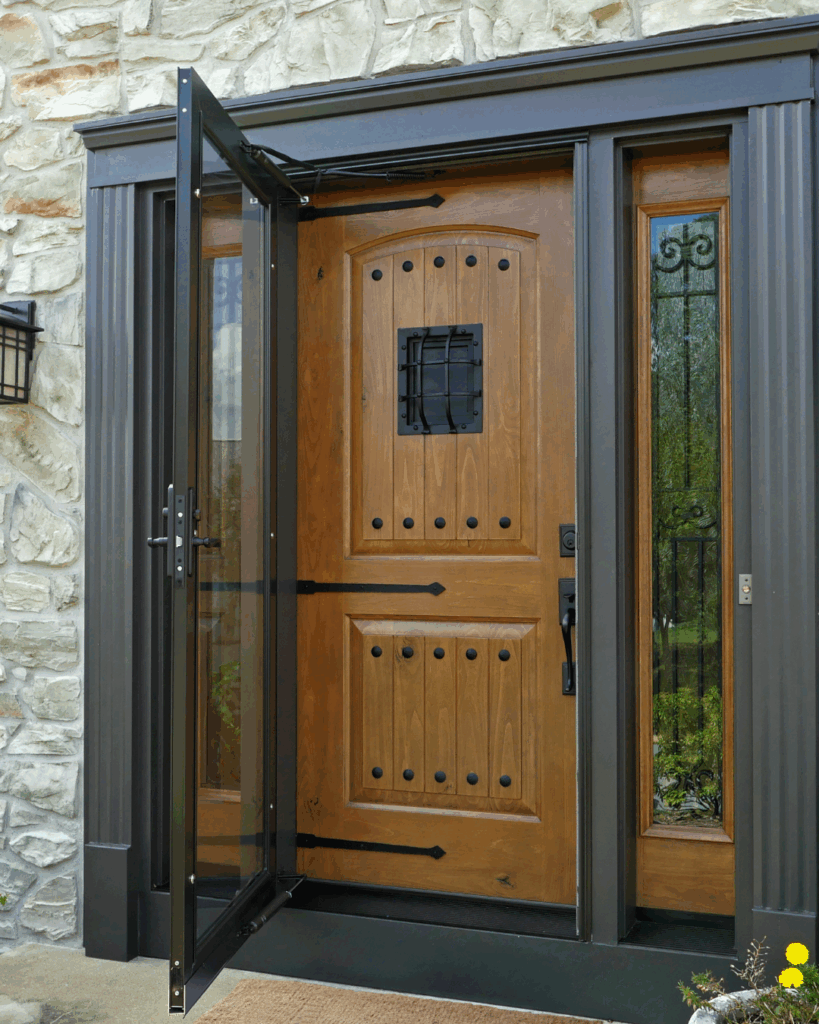
Yes. A quality storm door can reduce drafts, protect your entry door, and add an extra barrier against Cleveland’s winter weather.
Yes. With the right products and techniques, winter door installations perform as well as summer installs. We use professional low-temperature sealants like OSI QUAD Max and a step-by-step process that keeps performance high.
Yes. Modern products are engineered for low temperatures and damp conditions. For example, OSI QUAD Max bonds and cures effectively even in Cleveland’s winter climate.
No. Our pricing is the same year-round—no seasonal markups, gimmicks, or sales games. Some homeowners even find winter installs allow for faster scheduling.
Fiberglass and steel doors often outperform wood in Cleveland’s climate. They resist warping, insulate better, and maintain efficiency through temperature swings.
No. Our installers replace one door at a time, limiting exposure. Openings are kept short, and protective barriers help maintain comfort indoors.